Connect with CLACS
About CLACS
The Center for Latin American and Caribbean Studies (CLACS) serves students, faculty and scholars from across the University of Illinois campus, along with communities across Illinois and the Midwest, by promoting innovative research, specialist teaching, and public awareness of the Latin American and Caribbean region. CLACS is a designated National Resource Center for the 2022-2026 period, supported by the Department of Education under Title VI funding.
-
Meet Our Students
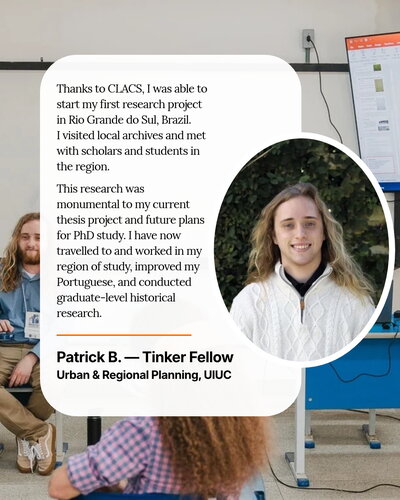
With CLACS support, Patrick Buchanan and Luisa Fernandez, graduate students in Urban & Regional Planning at the University of Illinois, were able to pursue valuable research opportunities in Brazil.
Patrick began his first research project in Rio Grande do Sul, where he visited local archives, connected with scholars and students, improved his Portuguese, and gained experience that will contribute to his thesis and future PhD studies.
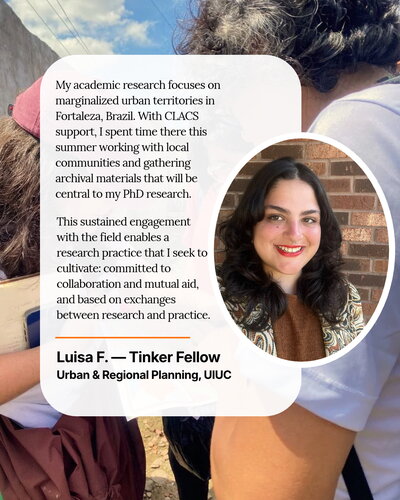
Luisa conducted research in Fortaleza, working with local communities and gathering archival materials essential to her PhD research on marginalized urban territories. Her work emphasizes collaboration, mutual support, and meaningful exchanges between research and practice.
Their stories are just two examples of how CLACS helps students pursue research opportunities, gain valuable fieldwork experience, and build meaningful connections with communities across Latin America and the Caribbean.
Donations are open now through November 23, 2026. You can make a tax-deductible gift at any time during this period.
Upcoming Events
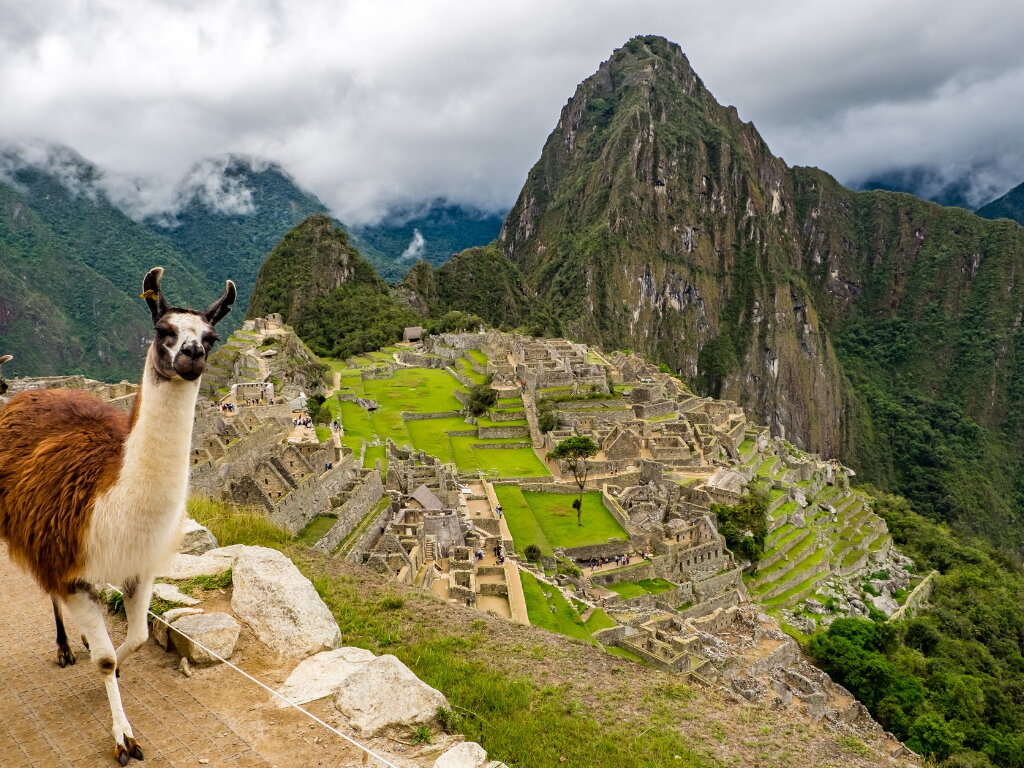
COME LEARN QUECHUA! HAMUYCHIK RUNASIMI YACHARIKUQ!
Quechua is the most widely spoken Indigenous language in the Americas, with 8–9 million speakers across six Andean countries. Learning Quechua offers valuable insight into Indigenous heritage, Andean worldviews, and linguistic structure. It’s especially useful for researchers, educators, and professionals working in the region.
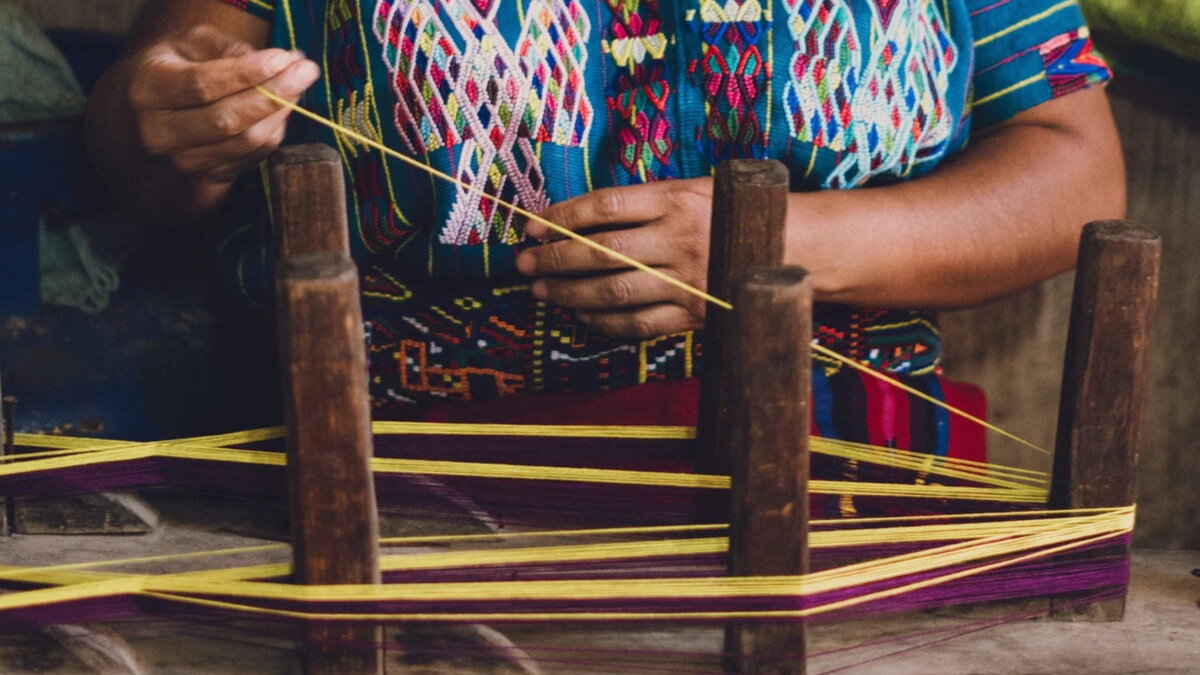
LEARN Q'ANJOB'AL WITH US! TITAN HAKUY Q'ANJOB'AL JETOQ!
Q’anjob’al is a living Maya language spoken in Guatemala and growing communities in the U.S. Studying it opens the door to understanding Mesoamerican Indigenous heritage, Maya worldviews, and cultural practices. It’s especially valuable for educators, researchers, and professionals working with Maya communities.
Q'anjob'al Language and the Community (Spring Last 395)
This course is an introduction to the Mayan language and community of Guatemala known as Q’anjob’al. It is designed to provide students with an overview of the Q’anjob’al speakers and their complex everyday sociocultural interactions.
Beginning Q'anjob'al II (LAST 445)
This course continues the development of basic speaking, listening, reading, and writing skills, with an emphasis on everyday communication and cultural context within Q’anjob’al–speaking communities.

Beginner Quechua II (QUEC 411)
Continuation of intensive course for beginner level Quechua. Expansion on developing basic listening, speaking, reading and writing skills in Quechua. Emphasis on production and comprehension skills. 3 undergraduate hours. 4 graduate hours
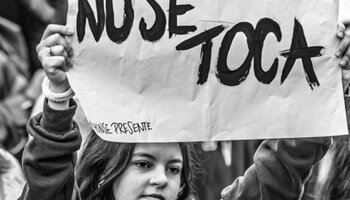
Que Pasa in Latin America? (LAST 170)
Introduction to Latin America offers an interdisciplinary introduction to the ways of life of Latin American peoples, their origins, historical legacies, and current cultural expressions.
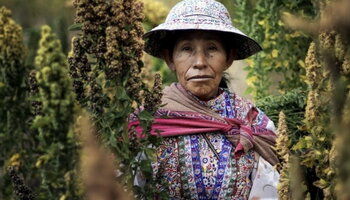
Life in the Andes (LAST 210, CRN 72623)
An overview of contemporary Andean culture, as practiced by the people in Peru, Bolivia, and Ecuador.
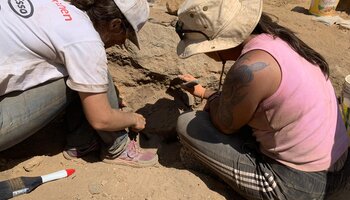
Archaeology Field School in Peru (LAST 395)
This course is an archaeological field school where students will have the opportunity to engage in innovative original research at the archaeological site of Cerro Blanco, a Chancay Administrative Center located in central Peru.
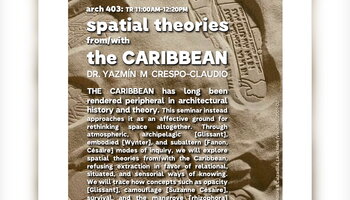
Spatial theories from/with the Caribbean (ARCH 403)
THE CARIBBEAN has long been rendered peripheral in architectural history and theory. This seminar instead approaches it as an affective ground for rethinking space altogether.
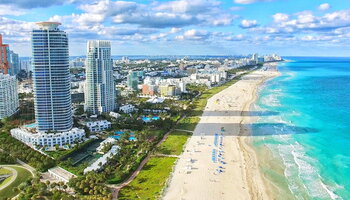
Multilingual Miami (SPAN 199 CHP)
The course provides an experiential introduction to sociolinguistics, focusing on the relationship between language, power, and multilingualism in Miami's diverse cultural and linguistic environment.